

Author Archives: tonjekkristiansen
As a woman and an actor, how do you feel about aging,getting older?
I am terrified of aging. I have aging strategies. I’m always picking someone, Connie Britton, Kathryn Keener, Julianne Moore..and saying ok, she looks normal and beautiful, great hair, no face surgery that’s my forty-seven strategy, or that’s my fifty-three strategy. I guess though, in a way, you could say, in all seriousness, that those women I mentioned really are icons I look up to. All three I mentioned are strong, unique, intelligent and natural beauties. So, but yes, I am terrified that I will be rolling my boobs up on curlers one day and my face will be so full of wrinkles that I will become invisible to men and then be alone somewhere in a house full of raccoons, cats and well I guess now I’m just describing Grey Gardens. Isn’t this every woman’s fear? Your husband will leave you, discard you, trade you in for a younger model and then you wither somewhere in isolation while he makes up a narrative to your former friends that you were bitchy, frigid, never cleaned the house or gave him blow jobs anymore?
What was your childhood/youth like?
My childhood was wildly unstable. My Father was an alcoholic, violent and self pitying, he was also much older than my Mother, she was his discarded child-bride that he had “saved.” As a very young child I would sometimes catch my mother softly crying to herself in the kitchen, under her breath saying “One day they’ll wake up and I won’t be here anymore, one day.”
I had my brother and sister to shield me from a portion of the chaos but they were as lost and frightened as everyone else in our home. We were members of the Jehovah’s Witness religion which further isolated me and our family. We lived in a stifling bubble, in constant anticipation of this Armageddon event that would wipe the earth clean and then our “real” and “everlasting” lives would begin. For some reason, even as a child I thought that was bullshit, I just was very skeptical and questioning of it all, which didn’t go over well. I escaped through my imagination and a fascination with emotion, dreams, fantasy and a lot of TV shows where I studied what I thought might be depictions of “normal” families. I was not allowed to play with children that didn’t share our family’s beliefs and Jehovah Witness kids didn’t like coming over to our house either, my Father might randomly force them to eat from our outside trash or spend two hours cleaning their feet before being allowed in the house.
How did that play into your life’s journey as an artist?
I learned to play alone for the most part, I would write stories and create alternate worlds. I also loved to experiment with empathy and study actors performing. Often the focus in my home was not on empathy and curiosity, instead of replicating that behavior I seemed to go out of my way to develop the ability to view things from another’s perspective. Perhaps, in some way I was unconsciously attempting to make up for that lacking.
I’ve also read that this can be a typical reaction to abuse and gas lighting. I tested myself to see how deeply I could relate to a characters dilemma, to see if I could go completely into this other reality and feel what they were experiencing. I honed my ability to connect with others. I knew on some level I would need these skills, and they did serve me, not only as an artist but as a human being with the desire to have a loving family and community somewhere in my future. I dreamt of traveling far away from my family, my town, my church and being free and building something of my own.
You decided to become an actor?
Yes, by twenty-three I was living in Los Angeles and working professionally as an actor. I ran away from home at fourteen. Over the following two years, I spent a time on the road as a personal assistant to a verbally and physically abusive stage magician, was taken in by various families for brief periods and generally floundered to find stability. At sixteen I found some solid ground for a moment, living on a commune of sorts with a motley crew of other young aspiring artists and musicians. I survived by working in fast food restaurants and explored career interests interning as a booker and lighting designer at live music venues and squeezing in writing classes and general education at city college for a year. In my late teens I decided to become an actor. I was lucky to find a scene study class and theatre group that was organized and very actively involved in developing the students careers. By the time I was twenty I had a manager, agent and a blossoming career in independent film and Television.
My acting career flourished over the next decade and I was one of the lucky ones able to make my living from it. I experienced huge career highs in my twenties, spent two years living in New York filming a TV series for NBC and several films. I sometimes handled the pressures with great maturity and responsibility and other times I found myself haunted and troubled by my childhood experiences, which had stuck with me no matter how I succeeded both creatively and financially.
How did you deal with occasionally being haunted by your childhood?
In my late twenties I found myself a bit exhausted and feeling lost. The constant travel and long periods away from my friends had made it difficult for me to cultivate the one thing I most desperately wanted, family and community. Then the emotional roller coaster of pilot season, network tests and the almost non stop pressure to have a massive break through before thirty started to take a toll on my emotional well-being. I began to notice that pressure was affecting my ability to dream, play and have fun with acting which had always come so easily in the early days. I decided to take my foot off the gas with my career for a moment and switch focus to my relationships, which at that time was my soon to be husband, our friends and community. I really did take great joy in caring for our home and cultivating relationships, it brought me enormous peace and real joy like I’d never experienced. I still pursued acting and had career goals but focused on sustainability and balance between personal life and professional life. However, this is not an easy thing for an actor to do and I’ve seen many of my friends struggle with this over the years. I think in a lot of cases if you’re not a really big name that’s brought down some heavy rain of cash flow and developed a brand, if you turn your back for one second, to have a baby, go back to school, whatever, you have to know, especially as a woman, because you have the aging thing working against you as well, you should be prepared to climb Mt. Everest to get a sustainable career back up and running when you’re ready to place all of your energy back into it. I’m not saying it’s impossible to come back or even complaining, it just is what it is. It’s very competitive! Regardless of the difficulty and obstacles, I love the roller coaster of it all. I ‘m grateful I have continued to get work and am given opportunities to contribute my skills and my passion as an actor.
You decided to embark on writing and directing in 2010
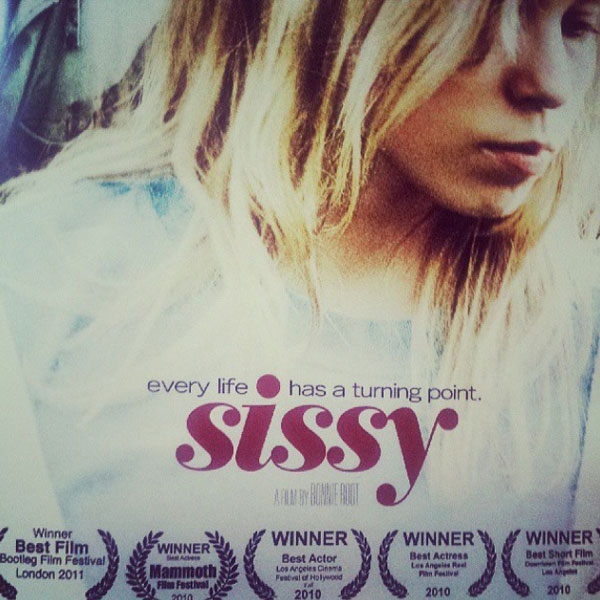
Yes, I wrote, produced and directed a short called SISSY, a twenty minute short film based on my travels with the magician I mentioned earlier. It was accepted to over thirty-five film festivals and won dozens of awards including Best Film at DTLFF and Best Acting to entire cast at Amsterdam International. I also received a distribution deal for the film on the cable channel ShortsHD and internationally on iTunes. The short film is currently being developed/pitched as a cable TV series called CHARLIE AND THE DOVE which I created with my writing partner Kerri Randles.
The show centers on the ultimate dysfunctional father daughter relationship, a has-been magician and a discarded young girl are thrown together, hustling for their day-to-day survival in a world of con artists, casinos and night clubs in late 80s Reno, Nevada. Charlie, a once successful performer and play boy who’s good-looks are beginning to fade is struggling with addictions and barely keeping afloat. He dreams of reclaiming his career and making it big in Vegas. Dove, his young companion, hopes to be reunited with her Mother, who seems to have gone missing after throwing her into Charlie’s care. At it’s core, it’s really a story about family, healing wounds and the fight to change the hand you were dealt.
What are you working on right now?
My other current project is a short called THE DIARY OF HEATHER KEATING, which I wrote with my partner Kerri, she is also producing and I will be directing. It’s an exploration into a patriarchal religious community. A father confiscates his young daughters diary and finds she has described a sex act in it. As a result, Heather, her mother and all the other women and girls are put on trial by the church’s elders.
Diary is still all about raw emotion and human struggle at its core but I wanted to branch out beyond the intimate singular point of view storytelling into more universal themes. I see a color palette that’s warm and inviting and blocking that is almost beautifully ritualistic juxtaposed with the underlying ugly truth which is that Heather and the women of the church are stifled, abused and almost constantly, daily being humiliated, shamed and undergoing some form of gas lighting.
I am not a big fan of happy endings for my stories. I don’t want to tell them to be didactic or aspirational or to wrap them up in a bow or impress you with my story structure skills. I only hope it is successful in being authentic, opening up a dialogue or connecting with someone still struggling, still looking to connect and know their not alone.
Not everyone finds their combat boots or their super power after an entire childhood or lifetime of systematic abuse and gas lighting. Some people go through these things and find their spirit is destroyed and they are not lucky enough or privileged enough to have opportunities to discover their voice. Sometimes I have found it can be more empowering to simply first discover that their are others out there who have felt crushed by their experiences and you can give each other this great gift of empathy and understanding that you are doing the best that you can and little by little every day you can get stronger. But first I think you must realize you are not alone and that a place exists where you can speak about such horrific things without people cringing and withdrawing from you.
This is why I sometimes think that the stories that start with an abused woman and end with this inspirational, aspirational moment of putting on the combat boots, the war paint etc can border on being dangerous and have like an opposite effect, leave an abuse survivor feeling even worse about themselves. I have to admit I find those kind of stories empowering in moments, I get that urge to stand, cheer and shout and start a punk band but then it’s like this temporary rush, this fleeting high that leaves me empty because it is not like this in real life, it’s actually quite rare and would take an enormous amount of a perfect storm of circumstances, the right mentors showing up, a certain strength of constitution. for an abused person to suddenly and in a healthy way find this super human strength to sustainably overcome their past abuses.In reality it takes years of therapy and constant, conscious, almost hyper-vigilant observation of one’s behavior to undo these abuses and that is not even going into the larger issues of dismantling patriarchal oppressive communities, religions, societies that are still committing these crimes now, today and on and on. Maybe a sad or an open ending to a story doesn’t uplift you but maybe that’s the difference between being entertained and experiencing art. I like to be entertained just as much as the next person but I think art that challenges you and makes you uncomfortable has a lot of value as well and I hope we don’t lose that in our culture where a lot of films get over focus grouped, social media friendly tested to death.
When do you feel most alone and when do you feel happiest?
I feel alone much of the time and have had to learn to live with it. I don’t think the feeling is going away. I had hoped to have children and a family and I kinda got screwed over on that front. I think perhaps having children could have cured this but I have also had my friends who are mothers tell me they never felt so profoundly alone until they became a mother… So who knows.
I feel happiest when I have just booked work or am in deep and intense creative collaboration or being of service.
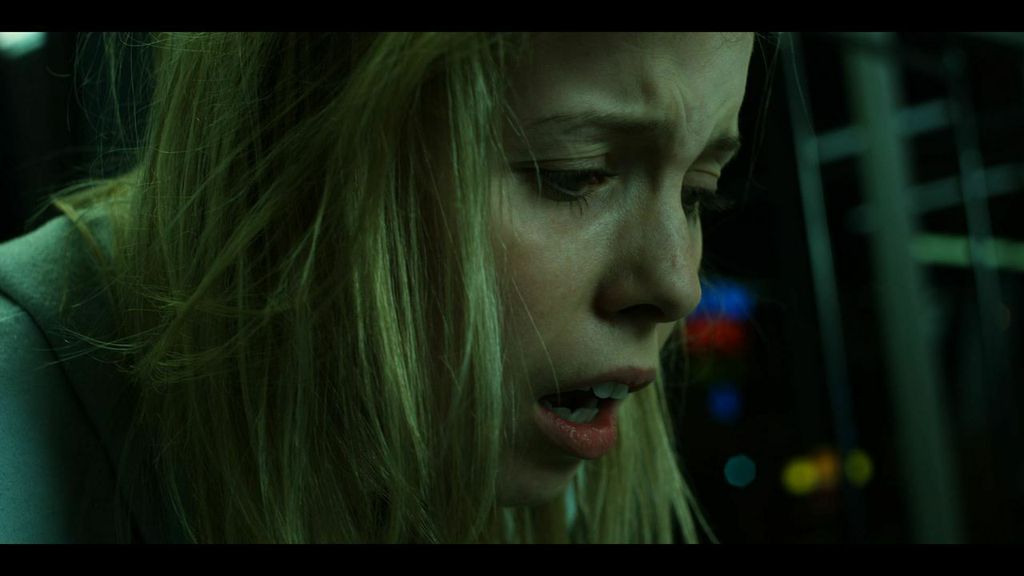
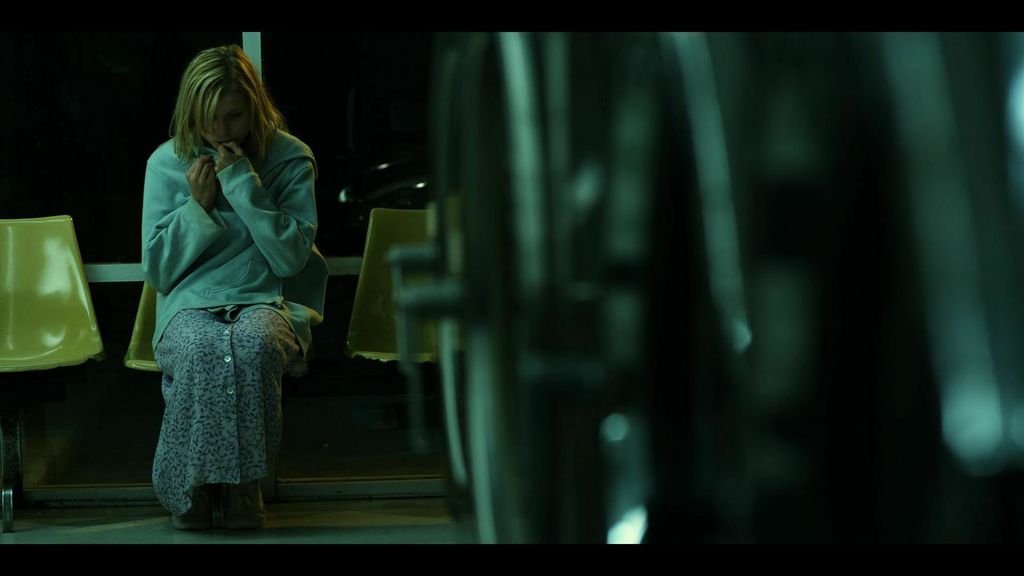
Interview by Tonje Kristiansen
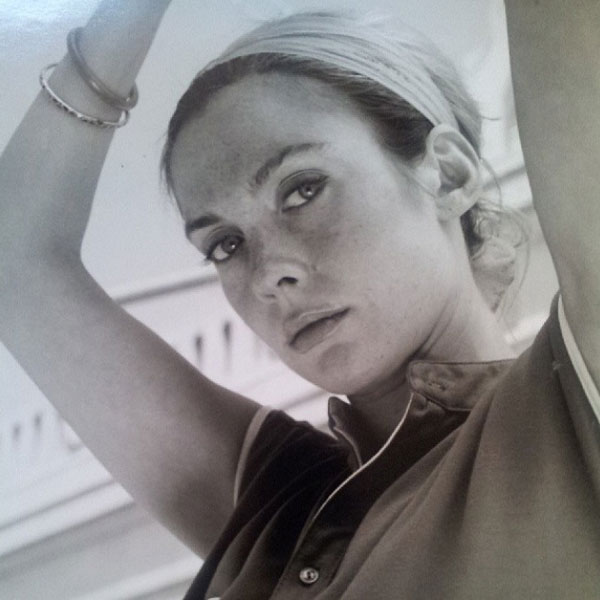
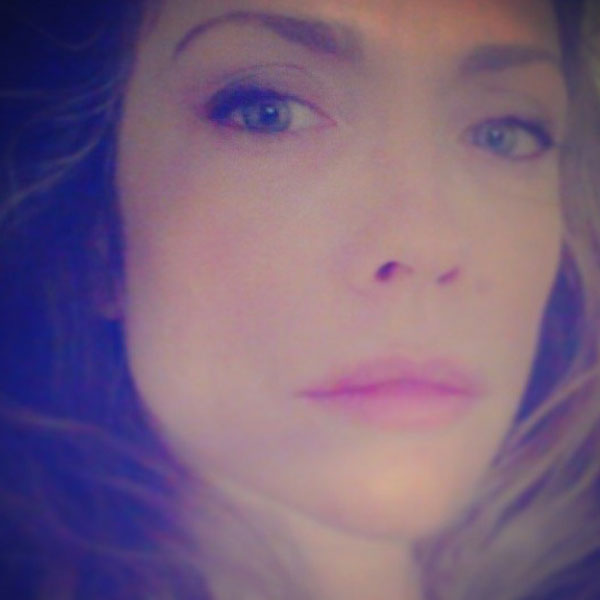
Photos of Bonnie Root by Orly Olivier and from her short film SISSY by Jason Oldak
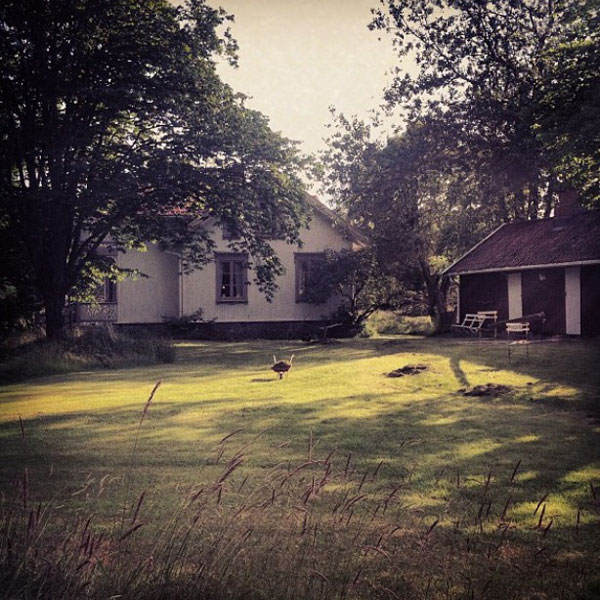
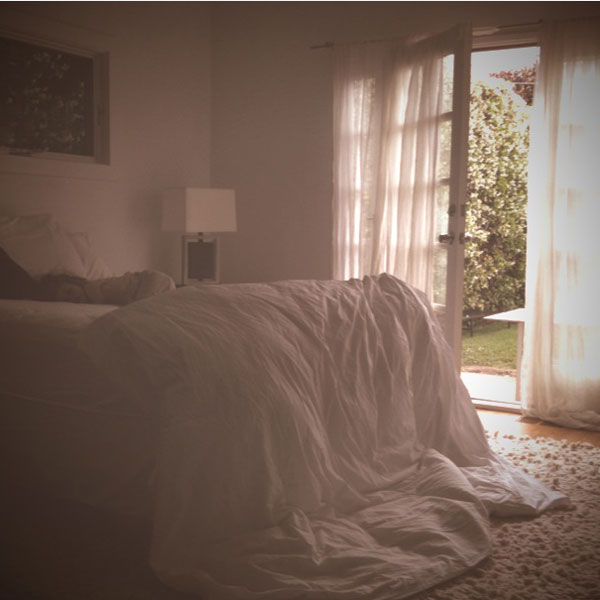
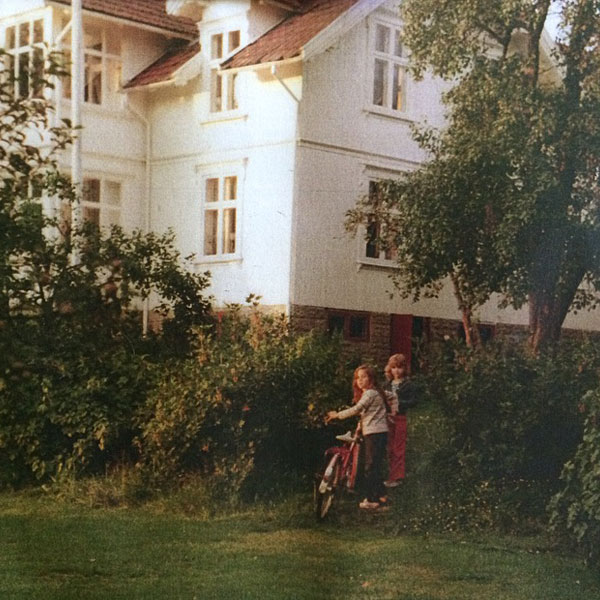
What is home and how does it become one? I have been asking myself this question over and over again since I moved to LA 10 years ago – maybe even longer. Maybe when I first moved to New York in my twenties and started the process of not only moving out of my parent’s home, but actually moving to an entirely different country for the first time. I don’t think it was as conscious at that time, but after I ended up moving back to America at 30, and having children, I’ve had this discussion in my mind or with friends on an almost daily basis. The memories and the notion of where we are born sometimes hold us back from allowing ourselves to belong to another place.
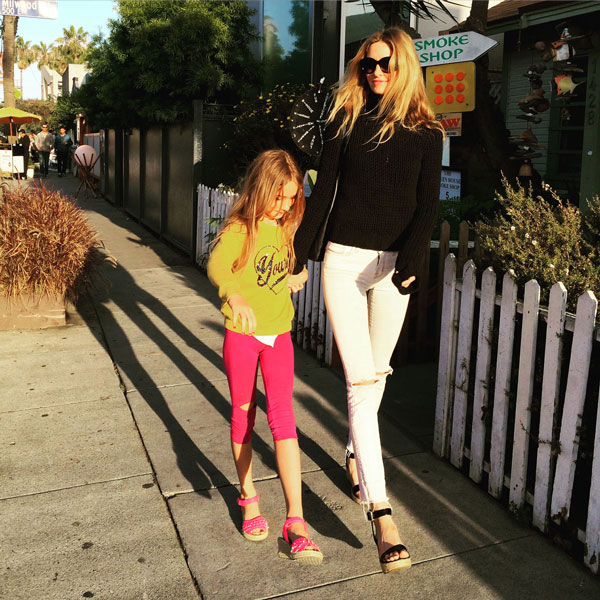
I was unaware of the fact that when I left, I would become a part of a new place and a new country, slowly without realizing it. When I had my first child, I started creating new experiences that somehow, at least for a while, wiped out my old ones. Being in a new place, I felt a strong sense of belonging mostly because of these new experiences. Through having children, I created new references without really being conscious of it. I felt guilty when I didn’t long for my home country every day or feel that certain connection to it that everybody talked about. Or maybe I just had to distance myself from the well of emotions I’d feel when I dwelled on the fact that I had removed myself from my old references.
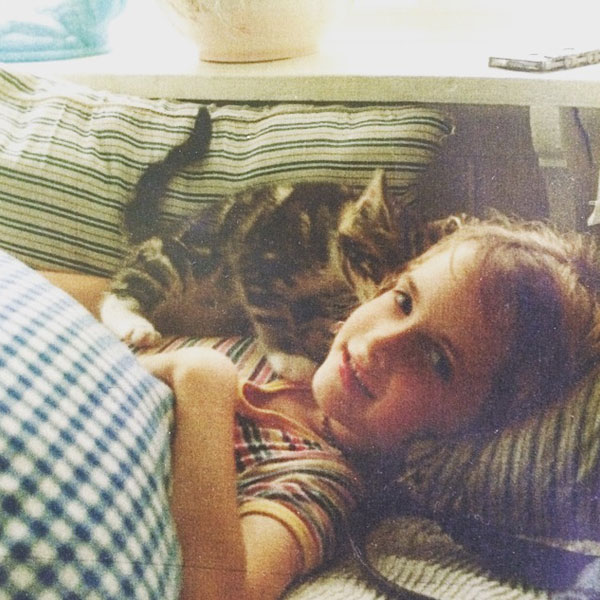
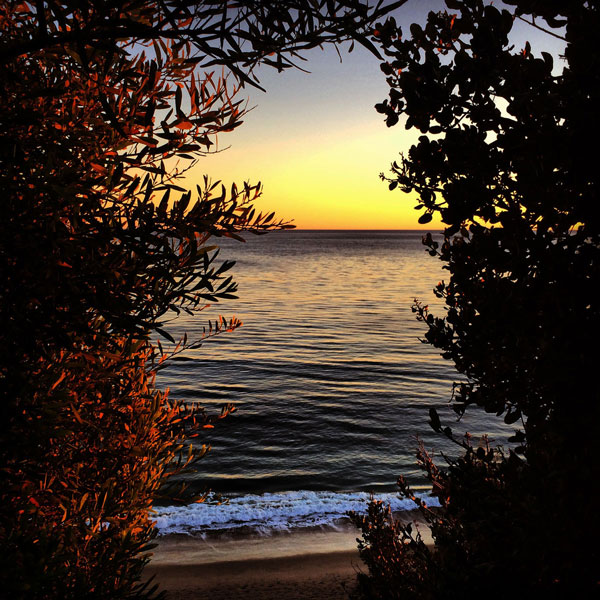
But I still longed for my memories of Norway, more than the actual place. I somehow longed mostly for my early childhood – summers especially. I found a reminiscence of that in the Californian light watching my children grow.
I long for home when I smell certain smells- smells from my childhood in particular. Newly cut grass, the smell of lilac or rain in the morning, apple trees – all bring me back to the garden of my youth. As does a fabric that reminds me of my mother’s nightgown that I would smell when she was gone. When my daughter wants me to tell stories from when I was her age, I start longing for everyday things from that time. Like moments with my dad when we would silently get ready in the morning. I would make my own breakfast, while he was doing sit ups and drinking milk straight from the bottle. Or memories of the cool air in the morning when I met up with my friends and we walked to school. Gurgling sounds from my baby sister in bed with my mother. Cycling in the evenings. My first boyfriend.
Living so far away from my childhood references, a place where nothing looks the same, I figured that it’s just through smell I can be transcended back to my past and my home. I’ve been creating new memories over these years, and an ocean is dividing my different memories. I’m still divided, and maybe more similar to what my daughter feels now than I thought. “When I’m in LA, I miss Norway, and when I’m in Norway, I miss LA” she claims.
When I’m in Norway, or home as I still call it, it’s not my home in an everyday sense any longer. It’s memories instead. I tap into who I used to be, because I have no memories or references of all that has happened to me in my adult years there. I still feel that all my biggest life changing experiences happened in America. In LA. All of my adult references belong here, and my childhood and youth belong to Norway. It’s not until now that I really understand and realize that maybe you belong more to your experiences than to a certain place.- Tonje
Norway
Los Angeles
Words by Tonje Kristiansen
Photos private/Tonje Kristiansen
Do you dream?
Mostly I dream of places and these feelings / states in them. I think of dreams like a part of a sit com or drama perpetually fragmented like the a moment before a horror is discovered by Dana Skully on a loop for example. Everything in dreams is like experiencing an establishing shot in a movie on repeat. There is an innocence in dreams, as if you don’t know who you are or where you are at a given time, so its very immediate. It’s confusing and yet you know everything too. Architecture plays a big part, places like the Barbican or Hotels seems to weld together to make something altogether something else.
No, I used to but I couldn’t bare reading it back so I got rid of them. However I want to keep a dream diary as these are always interesting to read back and they seem fairly impartial. I have some sporadic record of dreams written on bits of paper, that I bothered to write down. I drew a map once based on a place in a dream. There were many shop fronts in a village that had been abandoned, everything was a complex of spaces and doors that had a particular significance. Its almost
like a dream can represent a 3D version of your thoughts.
From cinematography I’ve always been obsessed with the idea of day for night. My dreams are always day for night. Always in twilight. Day for night filters is the reality of dreams. I also like the concept of the pathetic fallacy, where in a story the environment reflects the idea of what is happening to you.
When do you feel happiest?
On the road. Feet up on the dashboard with my boyfriend driving, or me driving, either, both. I could spend the rest of my life driving across the world. It’s such a mysterious place, deep and vast and strange. When you travel it feels as though there is no actual law, it’s the law at any given moment and that law is always passing. There is nothing fixed in nature or in reality and this is reflected in traveling like this. Something about driving that is different to say backpacking, trains etc. you are in a bubble it’s very ‘Television’. Things go by you, a car crash, a vista, a restaurant, a wood, it’s like flicking through of all the parts of reality.
Who has been the most important person in your life and why?
No one should be the most important.. it’s important to recognize those who are not necessarily good influences also. They teach you lessons you couldn’t know from only the positive influences.
Best lesson learnt from your mother?
I can’t think of a finite thing. She had a horrifying way of just saying the truth in the most innocent way. She always says it was because she was from another country no one understood her but I’m not sure anyone understood her back home either. She worked in a lot of schools she was always the defender of the wild kids. She spoke their language even if she had a heavy French accent. She was their protector, she had respect for them, and to the detriment of her career. She lost a job for what she had to say on the matter of one pupil to a headmaster. I think this was a beautiful thing. It’s a very difficult thing to do.
Who is/has been your role model?
I don’t have a role model. But I like a lot of people through what I read about them, or people I know. They make my heart keep beating. A role model is what you would ideally model your self on, but this isn’t possible. There is a deep storm in me that rejects just about everything, so it’s unlikely I would model myself on anything. I am alone in this sense. But I am addicted to certain things and certain people. That’s a different thing, but to me it’s the closest thing. Addiction is something I understand, I can talk about that. Role models not so much.
I was reading an interview with Joaquin Phoenix recently. I like him. Like River Phoenix they both have so much in common in this magic in them. I believe they are magicians in a sense. I remember My Own Private Idaho when I was 16; River Phoenix and his brother are mysterious. This is what art means to me. Places in the soul we don’t understand.
I love Hunter S. Thompson. I love this story, this personality. That’s as close to a role model comment as I can make.
Who has been the kindest to you in your life?
My father. He is the kindest man.
When in life have you felt most alone?
When I was at secondary school (high school). I hated it. I didn’t really have the same interests as every one else. I stopped feeling alone right after I left. I don’t think I benefited from going to school at all it was a real waste of time. They read in schools conservative literature while I was searching for something else. I remember finding The Trial by Kafka at home on a shelf and thinking this is incredible, why don’t they do this at school instead of Jane Eyre.
How has your life till now been different from what you’d imagined?
I’m not sure I ever imagined it in a specific way. I was only sure I always wanted to meet interesting people, and do interesting things which meant something to me, and this is largely true now.
Now I do see myself in an actual physical place in California. I am obsessed with this place, LA in particular. The place had such a profound effect on me when I went, it think it’s the most interesting and beautiful place. I find it also lonely and haunting. I often feel alone so I don’t feel alone there at all. I like looking at all the houses, everywhere in LA. The palm trees speak to me.
What do you feel about growing older?
Old doesn’t exist to me unless you are old in the mind. People can make themselves old because they believe they should be a specific way at a specific time. I remember an acquaintance who was training to be a GP telling me how inevitable the decline of the body was. I felt like she was already older, she’d seen a future of ailments and problems and death, and accepting this reality it almost becomes intrinsic in you. I’m not in to mysticism but I think it’s fairly true that if you believe in certain things they have a way to seek you out, to become you. This idea was destroying her I felt, the conversation was no longer hopeful. I don’t want spend my time dying, or laboring over an idea of age and death. People who don’t recognize their age I’ve noticed seem to be largely unaffected by their age, even by physical set backs. I’m not into the doomsayers.
What are your hopes and dreams for what the future holds?
I should dearly like it if people would get along better. Why can’t people sort things out via a chess game lets say instead of murdering vast numbers of people. I had this idea when I was 8 and I’m sticking by it, even if it sounds profoundly naïve I know. I can’t even play chess however.
Do you have a love in your life?
Yes we are together for 7 years. I like the way he moves. I like the way he has a hold on me. I like his way. When I see his face again if there been a bad time, he makes it disappear. Those bad feelings melt away.
How did you get where you are now in your career? Faith/luck or hard work?
Hard work.
Male dominated world or not? Does it affect you?
No. I don’t care. Men do what they want, I do what I want. Where one door closes, we must make a new one and open it. You have to ignore the set backs, its crucial.
Do you take risks workwise?
It’s always a risk within a creative endeavor. But the risk is minimized by the amount of work you put in.
Do you listen to your instinct?
I do listen to my instinct. Not sure if this is the right thing to do though.
Best advice?
Don’t worry about what people think.
What is your vice?
I love cigarettes but I don’t smoke. Sometimes I have a dream I am smoking. Smoking is nice, but it kills you. It has strong associations with being free and young and that feeling that you were going to live forever. Which is I suppose is ironic.
What is success to you?
Seeing work come together, seeing projects come to light. Inspiring people of that vision.
Woman, mother, lover how does it all come together?
I’m not sure it does but you make it work because it has to.
General life advice to young girls?
Never give up. Don’t listen to negative criticism especially from men. Men through out history have made it an art form to disable women from allowing them selves to have ambition. Ignore, ignore, ignore. Create, create, create.
Q&A by Tonje Kristiansen
Photo by Marie- Fleur Charlesworth
I have been rewatching my film “Kjell” from 2005. The film is about an aging gay man reliving the past. I wanted this film to be an universal story about lost love and about not fitting in, something everyone could identify with. I wanted to show a human being i felt great affection for. It didn’t matter to me if he was gay or not, as that should not matter to us. I am interested in people, in their stories. Kjell is one of the most fascinating people i have ever met and he still is. He wanted to be loved, but felt lost as he did not find a place or a person that could love him the way he was. He was trapped in a mans body, at a time when that would not be accepted by his surroundings and the men he fell for only wanted an adventure to then go off an marry a woman. As age and illness took it’s toll on him he escaped into the character of Gloria Swanson in Sunset Boulevard. A safe place.
Here is the story line of the film. It can be watched here at the blog under work.
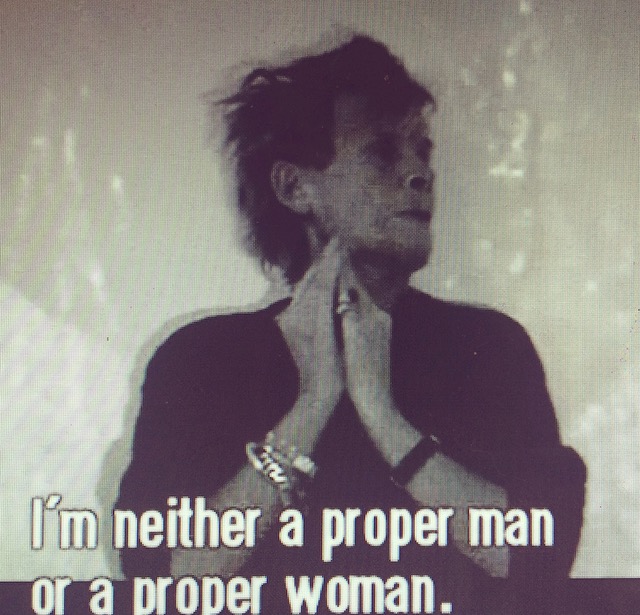
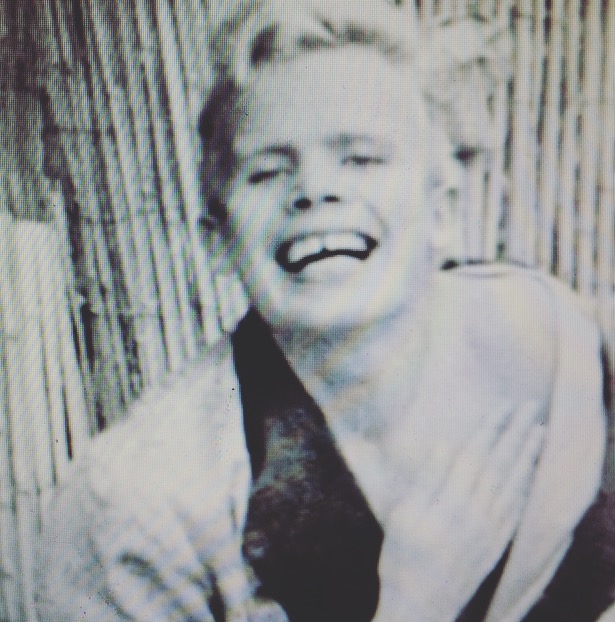
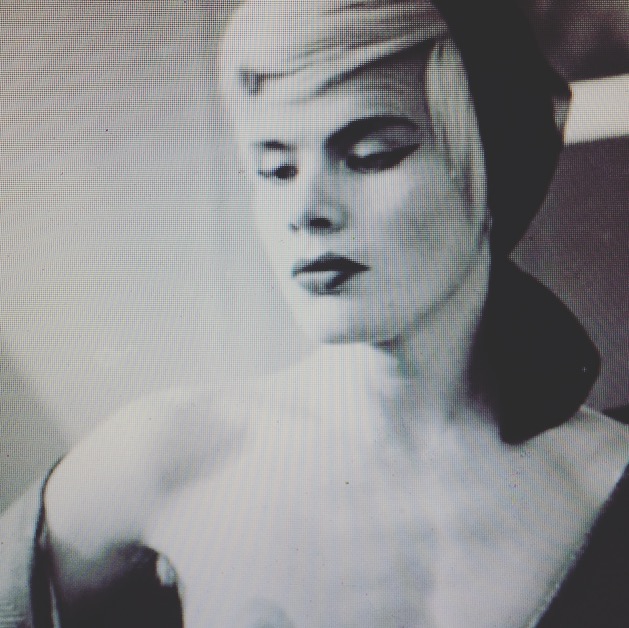
In the early 1950’s Kjell discovered he was gay. Love had to be looked for abroad. Since he was good-looking,intelligent and charming, he soon became popular in St.Tropez,Cannes,Paris and London. However,only brief affairs came of this. Today time and opportunities have passed him by. Kjell is passed his sell-date,as he puts it himself. Yet he still dreams,but his dreams are like Gloria Swanson’s in Sunset Boulevard. With bittersweet charm he tells his life story,in words and pictures from his past career as a young model-up to his present situation as a disabled man knitting and watching videos thinking about his past.
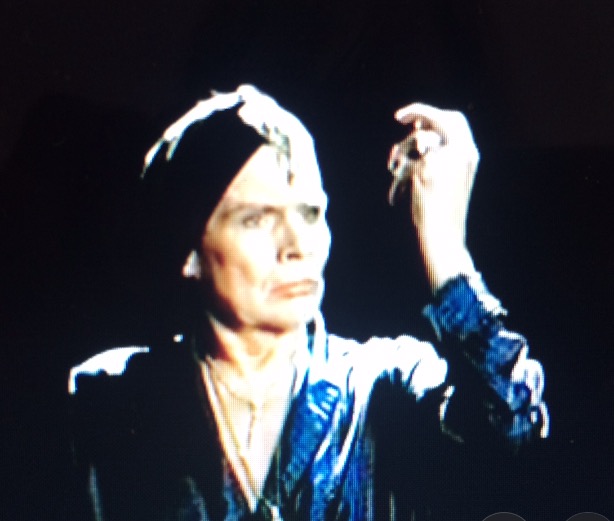
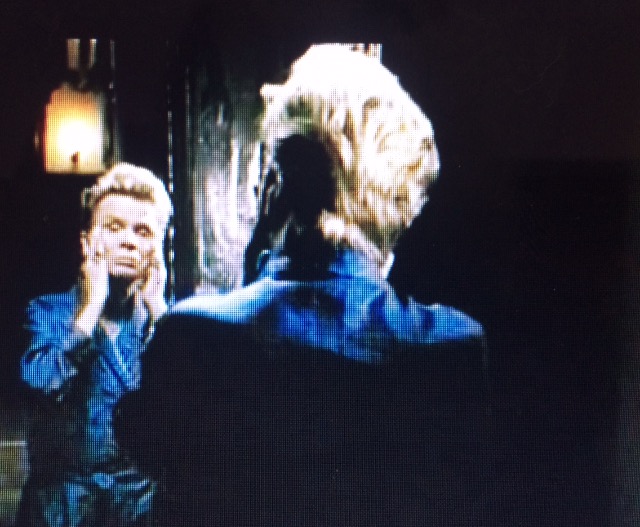
All photos from the film Kjell
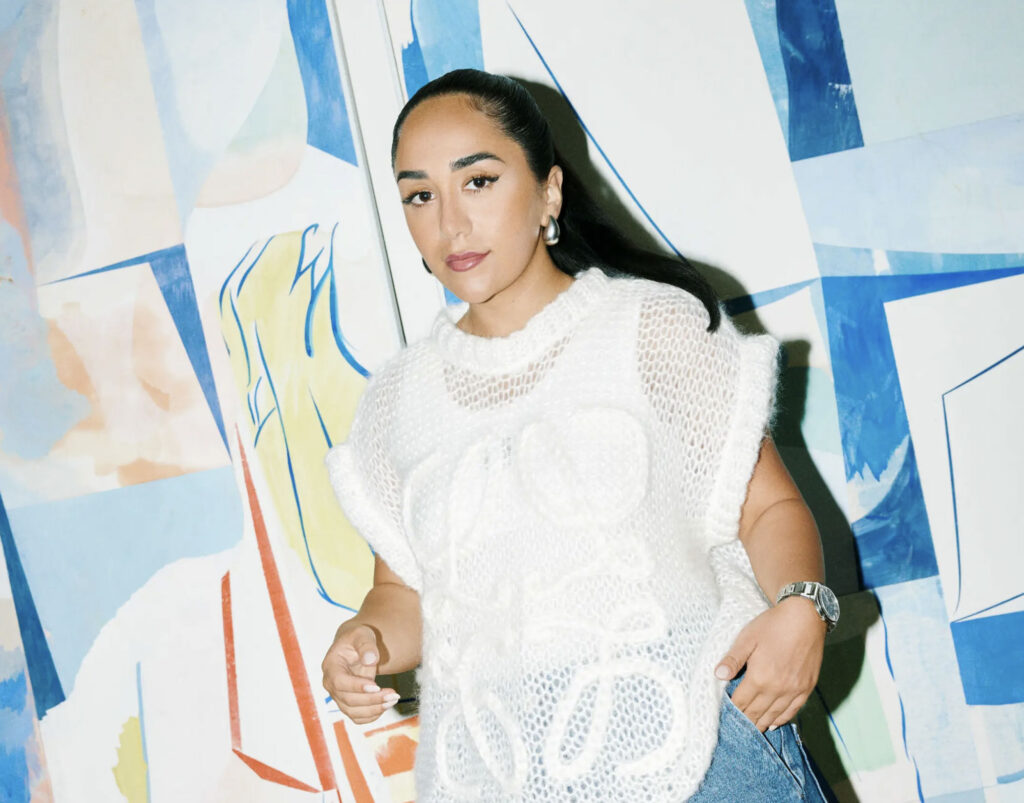
Amanda Delara har markert seg som en framtredende stemme på den norske musikkscenen. Kjent for sin musikalske autentisitet og sitt brennende engasjement, har hun formet et unikt uttrykk, og bruker sin plattform til å utforske og kommentere komplekse temaer som identitet, frihet og politisk bevissthet.
Amandas reise begynte i ung alder da hun oppdaget friheten i å skrive egne sanger.
– Det var første gang jeg følte meg sett på en ny måte, forteller Amanda. Sosiale medier ga meg et verktøy til å uttrykke meg uten å bli redusert til utseende eller min etniske bakgrunn. Å legge ut musikk med mine egne tekster endret alt. Plutselig var det ikke lenger personen jeg umiddelbart var som definerte meg, men ordene jeg delte og de følelsene jeg formidlet gjennom musikken. Dette bidro til at musikken ble et fristed for meg, hvor jeg kunne uttrykke meg uten følelsen av å bli fanget og stigmatisert av utseende og bakgrunn. Som jente følte jeg det var essensielt å finne en identitet utenfor det overfladiske.
– Noe av det mest inspirerende jeg ser, er mennesker som rendyrker det de er gode i og det de gjør uavhengig av kunst.
Amanda er nøye med å omgi seg med mennesker som beriker livet hennes bade i sitt kreative arbeid og i sitt personlige liv.
Upload Image...
– Noe av det mest inspirerende for meg er mennesker som utmerker seg. I tider hvor verden kan virke skremmende, er det viktig å ikke gi opp håpet. Å finne styrke i fellesskapet og trosse frykten er essensielt.
– Håpet må være ledetråden for alt
Amanda er opptatt av håp, og har aldri vært redd for å være kompromissløs og frittalende. Hun framhever viktigheten av å bruke sin egen stemme til å representere dem som ikke kan.
– Som offentlig person har man et ansvar, påpeker hun.
Når det gjelder å finne motivasjon i en tilsynelatende håpløs verden, mener Amanda det er essensielt å ikke føle seg liten.
– Selv når man føler seg maktesløs i det store bildet, er det viktig å huske på at man ikke er alene. Håpet må være ledetråden for alt, og det finnes mange måter å engasjere seg på. Man må ikke gi opp og slukke lyset i seg selv.
Viktigheten av å følge håp framfor frykt, i alt man gjør, er en lærdom hun har tatt med seg fra sin mor. Morens styrke og visdom har inspirert Amanda til å bruke musikken som et verktøy for å uttrykke seg politisk og sosialt. Hun har et dyptgående og inspirerende forhold til moren, som har spilt en avgjørende rolle i hennes personlige utvikling og kunstneriske reise. Oppvokst i en iransk familie i Norge, lærte Amanda tidlig om utfordringene og styrken som finnes i kvinnelige livserfaringer, spesielt gjennom morens fortellinger.
Upload Image...
Amandas store rollemodell
Moren vokste opp uten en far i Iran, en kulturell kontekst der en slik situasjon kan medføre stigma og utfordringer. Hun delte historier om sin barndom og ungdom under krigen mellom Iran og Irak, hvor daglige bekymringer for sikkerhet og overlevelse formet hennes perspektiv på livet. Disse fortellingene ga Amanda en dypere forståelse av de langvarige traumene krig påfører, og inspirerte henne til å reflektere over krigens innvirkning på generasjoner av kvinner.
– Fra jeg var 15 var det bare meg og mamma. Jeg vet alt om å leve med en sterk mamma som har måttet klare mange utfordringer selv. Vi har alltid hatt et åpent forhold, og etter hvert som jeg utviklet meg og kom i tenårene, ble jeg mer og mer opptatt av de personlige erfaringene hennes og hvordan hun hadde håndtert livet sitt. Hun vokste som tidligere nevnt opp uten far i et iransk samfunn hvor du som kvinne ble sett på som mindreverdig når du ikke ble identifisert med et mannlig overhode. Hun fortalte om frykten hun kjente på da hun la seg om kvelden under krigen mellom Iran og Irak, når de bombet og hun ikke visste om hun ville våkne om morgenen. Hvordan hun forholdt seg til en lampe på veggen som et symbol på liv; så lenge den hang fast i veggen, visste hun at hun fortsatt var i live og huset intakt.
Morens urokkelige styrke og evne til å overvinne frykt gjorde henne til Amandas største rollemodell. Moren oppmuntret Amanda til å utforske verden, å tenke fritt og leve uten frykt, selv i ung alder. Denne oppmuntringen og de felles opplevelsene de delte, fra reiser til dagligliv i Norge, bidro til å forme Amandas verdenssyn og kreative uttrykk. Fortellingene og erfaringene hennes, og morens fryktløshet og tillit til at det finnes en vei gjennom alt, har vært nøkkelen for Amanda og åpnet mange dører.
Morens motstand mot undertrykkelse og hennes evne til å opprettholde positivitet i møte med vanskeligheter, har lært Amanda å verdsette samme motstandskraft og uavhengighet i sitt eget liv og i kunsten.
– Hun har vist meg verdien av hardt arbeid og at ingenting i livet er gratis, men også at man ikke oppnår noe uten å våge. Hennes oppmuntring til å utforske verden har formet meg betydelig. Det å reise fra ung alder har utvidet mine horisonter og lært meg å stå imot engstelse.
Upload Image...
– Jeg jobber bare med folk som gir meg muligheten til fri utfoldelse
Dette livssynet er tydelig i Amandas tilnærming til musikk og kreativitet. Hun beskriver låtskriving som en intuitiv og spontan prosess, ofte trigget av plutselige innsikter eller følelsesmessige gjennombrudd. Amanda lar musikken komme naturlig, Hun beskriver hvordan hun må være fristilt når det gjelder sitt kunstneriske uttrykk. Det er ikke nødvendigvis et must å være politisk, for eksempel, men noe hun har på hjertet, inspirasjonen kan komme fra en helt annen hendelse, men likevel ende opp med å ta opp et annet tema.
– Man kan pakke inn ting veldig forskjellig, der publikum kan finne sin egen identifikasjon i teksten. Finne sin egen tolkning. Et glimt av identifikasjon. Jeg jobber bare med folk som gir meg muligheten til fri utfoldelse. Jeg tenker aldri på hvordan noe blir mottatt når jeg er i prosess. Da må jeg være uten restriksjoner, understreker Amanda.
– Jeg legger vekt på å tilbringe tid med mennesker som beriker livet mitt, som respekterer denne siden av meg både i mitt kreative arbeid og i mitt personlige liv. Ofte har jeg følt at folk leter etter problemer hos meg på grunn av min minoritetsbakgrunn, og prøver å skape et narrativ om en mørk reise. Dette er forsøk på å plassere meg i en bås og overskygge musikken min med forventninger om vanskeligheter. Men sannheten er at jeg er på en kunstnerisk reise, drevet av en kreativ visjon, og ikke definert av én enkelt historie. Vi er komplekse individer, og det er sjelden media ønsker å utforske den virkelige dybden i hvem vi er.
Hva har internasjonal anerkjennelse betydd for deg?
– Det er fascinerende hvordan internasjonalt arbeid innen musikk ikke alltid resonnerer like sterkt i Norge når det gjelder popularitet. Men internasjonal bekreftelse har vært essensielt for å bekrefte at jeg er på rett vei, og har åpnet opp muligheter for samarbeid med dyktige produsenter og artister fra forskjellige kulturer, men ikke vært avgjørende for om musikken min fungerer i det norske musikkbildet. Selv om min musikkstil ikke dominerer topplistene i Norge, bekymrer jeg meg lite for det. Jeg skriver tekster på både norsk og engelsk, og opplever en frihet i å uttrykke meg på begge språk. Jeg har lært at ved å følge min egen vei og være tro mot min kunstneriske visjon, er det mindre viktig hvor jeg er eller hva jeg oppnår. Det å føle seg frigjort fra andres forventninger og finne min egen stemme, har vært fundamentalt i min musikalske og personlige utvikling.
En sterk vilje til endring
Hvordan opplever du behandlingen av kvinner i musikkbransjen? Opplever du at kvinner blir satt opp mot hverandre, og hva er veien til likestilling i dine øyne og med din erfaring hittil?
– Det er en sterk vilje til endring, men det krever mer handling for å skape likestilling på scenen og i bransjen. Jeg tror at gjennom fellesskap og samarbeid kan kvinnelige artister ikke bare sikre mer rettferdig representasjon på festivaler og andre arenaer, men også skape en mer inkluderende musikkultur.
Amanda er dypt engasjert i å fremme samarbeid mellom kvinnelige artister. Hun er overrasket og skuffet over hvordan kvinner ofte blir nedprioritert når det gjelder booking til festivaler. Hun er bekymret over hvordan kvinnelige artister ofte blir satt opp mot hverandre, og hun ønsker å endre denne dynamikken. Hun håper å inspirere til og være en del av en bevegelse hvor kvinnelige artister støtter og løfter hverandre.
– Dette er en indirekte metode for å holde kvinnelige talenter tilbake, noe som ikke bare er urettferdig, men også skadelig for hele bransjens utvikling. Det å sette kvinnelige artister opp mot hverandre, i stedet for å anerkjenne dem som en samlet styrke, fungerer som en form for undertrykkelse. Hvis industrien begynner å se kvinnelige artister som en enhet heller enn isolerte konkurrenter, kunne deres kollektive kraft virkelig utfordre og endre de rådende normene i musikkbransjen. Det samme gjelder for kvinnelige musikkprodusenter.
Ved å bryte ned de barrierene som holder kvinner tilbake, kan vi sammen utforske nye kreative horisonter og definere framtiden for musikk med en sterkere stemme, både kreativt og i produksjonssammenheng.
Upload Image...
Festivalklar
Amanda ser fram mot festivalsesongen, og er spesielt spent på å spille på hovedscenen på Øyafestivalen. Det er veldig lenge siden hun turnerte.
– I 2018 følte jeg at jeg hadde nådd et kreativt platå, der jeg ikke kunne bringe noe nytt, spilte de samme låtene og ofte repeterte meg selv. Fokuset lå bare på mitt sosiale og politiske engasjement fra pressens side, og jeg druknet litt i det. Pandemien forlenget denne perioden uventet, noe som ga meg enda mer tid til å fordype meg i et nytt album. Jeg gleder meg til å reise rundt på en tilnærmet «norgesferie» i forbindelse med ulike festivalopptredener. Jeg elsker å møte lokalbefolkningen på de forskjellige stedene og knytte bånd med publikum på et mer personlig nivå. For meg er det å være på turné ikke bare en mulighet til å framføre musikk, men også en sjanse til å oppleve og feire den rike kulturelle mangfoldigheten Norge har å tilby, forklarer Amanda.
– Jeg har alltid vært bevisst på det privilegiet det er å ha vokst opp i Norge, et land som gir meg muligheter til å utforske komplekse temaer som identitet, og gir rom for kreativ utfoldelse i mitt eget tempo. Det er et privilegium som ikke alle har, og evnen til å prioritere personlig og kreativ vekst er noe jeg setter stor pris på. Jeg er takknemlig for muligheten til å skape mitt eget rom og utvikle en stemme som kan nå ut og berøre andre, og det motiverer meg til å bruke denne stemmen til å prøve å gjøre en forskjell. Fortsette å leve kompromissløst.
Vil du bli bedre kjent med Amanda Delara? Hør intervjuet med artisten i ELLE Podkast her.
Foto: Stephanie Sikkes/Hest Agentur
Styling: Caroline Skjelbred
Hår: Andres Valle Kløvstad og Agnes Gulbrandsen/Gevir/Style Management
Makeup: Enora Olsen/Style Management
Takk til Hos Arne.
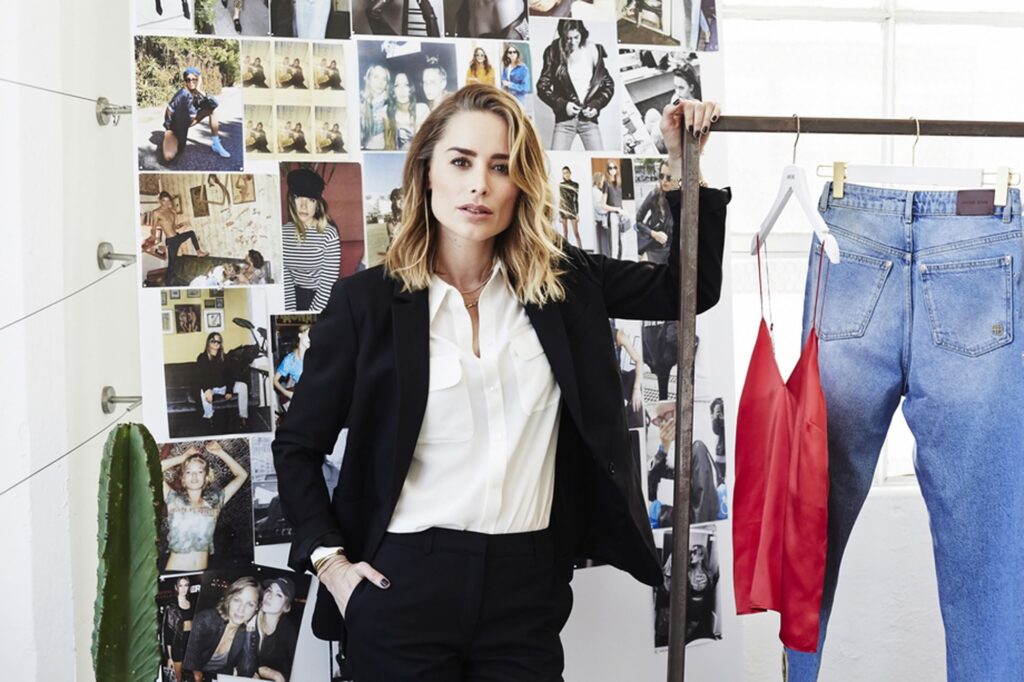
The Scandinavian designer and her female led team on building a company from the ground up
Following our conversation between Christy Turlington Burns and Clare Vivier, Malibu committee member Tonje Kristiansen invited founder and fashion designer Anine Bing to Soho House West Hollywood for her second installment of her monthly female focused discussion series Her Platform. In addition to Anine, we welcomed panel guests from her leadership team, including Annika Meller, Chief Operating Officer; Emma Sandvik, Art Director; Kate Jackson Sabelhaus, Head of Editorial; and Anine Bing’s Director of Brand Marketing and Public Relations Lindsay Wolf.
Danish-born, Swedish-bred Anine Bing launched her eponymous line in 2012, hoping to step out of the traditional seasons of fashion and embrace a ‘see now buy now’ approach for the modern-day woman. ‘We wanted to make sure the clothes were transitional and gave women the freedom to drop their kids off at kindergarten, go to a board meeting and then go out for dinner with their girlfriends without having to change,’ she says. ‘Women should feel comfortable in whatever they’re doing.’
Here, read Anine and her team’s top five tips for those looking to build their own brand:
1. Nothing will happen without passion
‘With no marketing budget and nothing but a tiny garage in Silverlake, I did everything myself,’ Anine says. ‘I had a two-year-old and was pregnant with my second child, all while answering customer service requests, shipping orders and designing clothes. There are stories of Annika, our COO, finding me asleep in my car with the air conditioner blasting and a pack of chips next to me, as I never had time for anything at that stage. I worked non-stop and from everywhere I could. But ever since I was a little girl, I knew I wanted to do it all, and I didn’t want to have to choose. I wanted to be a mother, I wanted to be a business woman and I wanted to create something big.’
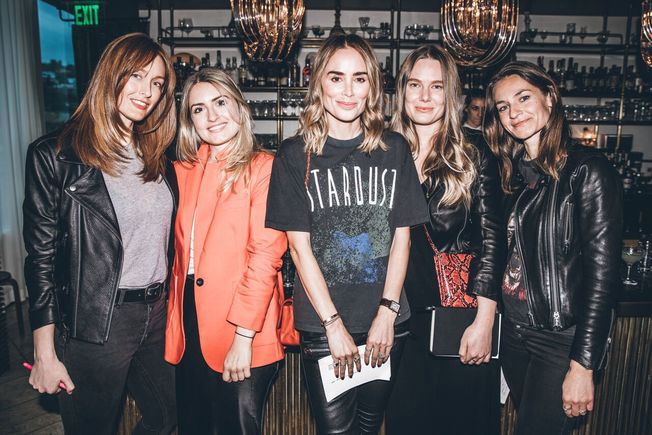
2. Develop a brand identity and stick with it
‘If you are not absolutely obsessed with an idea, you have to trash it. You can’t get comfortable,’ Anine Bing’s Art Director Emma Sandvik says. ‘Look at other storytellers and see what sticks with you. You have to ask yourself, “Why do I love this idea?” Was it the emotional resonance, the narrative? Pay attention and recreate what inspires you and make it your own. Develop your own personal voice and find the DNA of your brand.’ ‘We based the idea of the Anine Bing brand on the philosophy of opposites attracting. There is this sense of juxtaposition that is always our North Star, where a romantic, more Scandinavian expression meets the LA urban lifestyle,’ says Emma. ’People tend to like a more raw experience, and they want a story that’s not too polished. Our customer base seems to find that more refreshing. It’s like, “Let’s stop being polite and get real.”’
3. Once you perfect your product, hone in on your digital presence
‘The two most important things when starting a company are the product and a strong website, and that’s what I invested in from the start,’ Anine says. From there, you’ve got to hone in on social media, explains Anine Bing COO Annika Meller: ‘We decided early on to put all of our focus on Instagram in order to promote the brand. It helped build a personal connection between me and my customers, and we were lucky to be one of the first brands using Instagram as a platform for storytelling before it became super crowded.’
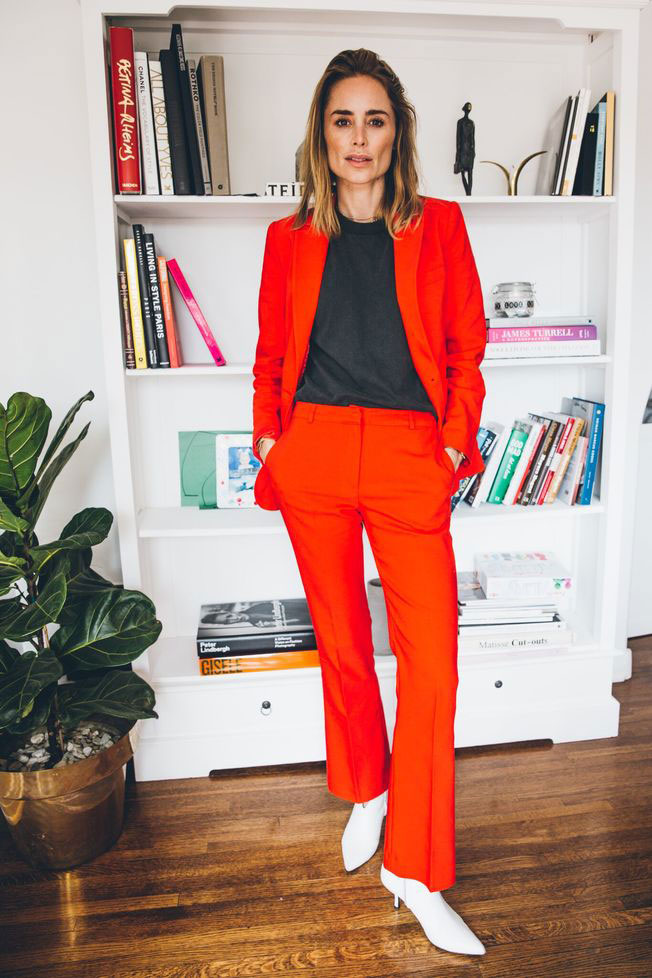
4. Consistency is key
‘One of the most important things for us is staying true to the core message of Anine’s vision,’ says Director of Brand Marketing and Public Relations, Lindsay Wolf. ‘She is always true to herself and this drives the company forward. We don’t want to spread ourselves too thin, and we want to stick to our key values in order to stay consistent.’ ‘You have to be willing to work extremely hard, which comes naturally when you do something you are truly passionate about,’ Anine says. ‘I did my best from day one, and I had to learn by doing every single step myself. Now we are a company of 50 people, 45 of whom are women! I have a real understanding for the big picture and all the work that goes into all of the different roles.’
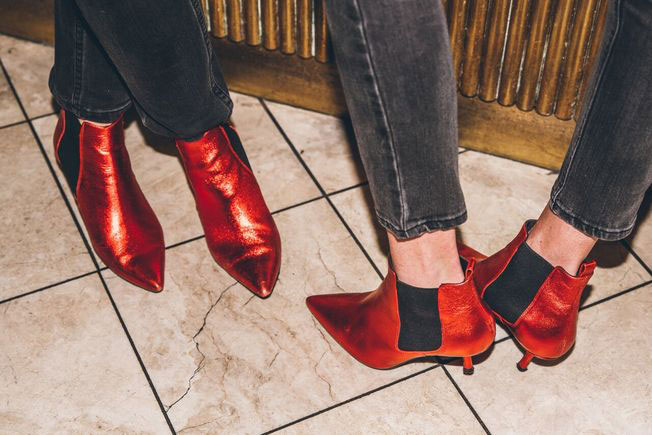
5. Don’t underestimate the power of a great story
‘Building a brand creatively is all about storytelling,’ says Head of Editorial Kate Jackson Sabelhaus. ‘When launching Bing Kids recently, we took that one step further and interviewed and photographed different types of parents and their children to get multiple perspectives and approaches to parenthood. This is a big part of the creative process: nurturing an intimacy between the brand and the customer base to create a community.’
Her Platform is created, curated and hosted by Tonje Kristiansen with the goal of inspiring, empowering and connecting women, where a series of guest speakers will share their stories, ideas and tools for navigating their personal and professional lives.
Words: Tonje Kristiansen
Photos: Ashlyn Kudransky
Uncategorized
The Wish to Live Deliberately – Q&A with Artist, Beatrice Faverjon, By Tonje Kristiansen
“I went to the woods because I wished to live deliberately, to front only the essential of life, and see if I could not learn what it had to teach, and not, when I came to die, discover that I had not lived.”
How did you end up working in photography and filmmaking?
As far as I can remember I’ve always been creating, drawing, painting, dancing, telling stories. I pretty much do the same things now that I did as a child.
I always have a hard time answering the question when somebody asks me “what do you do?”. I think that generally the person wants to know what my job is. I can’t answer this question because I can’t disconnect life, art, love and creation. Everything is interconnected and part of who I am, and what I do.
What are you working on right now?
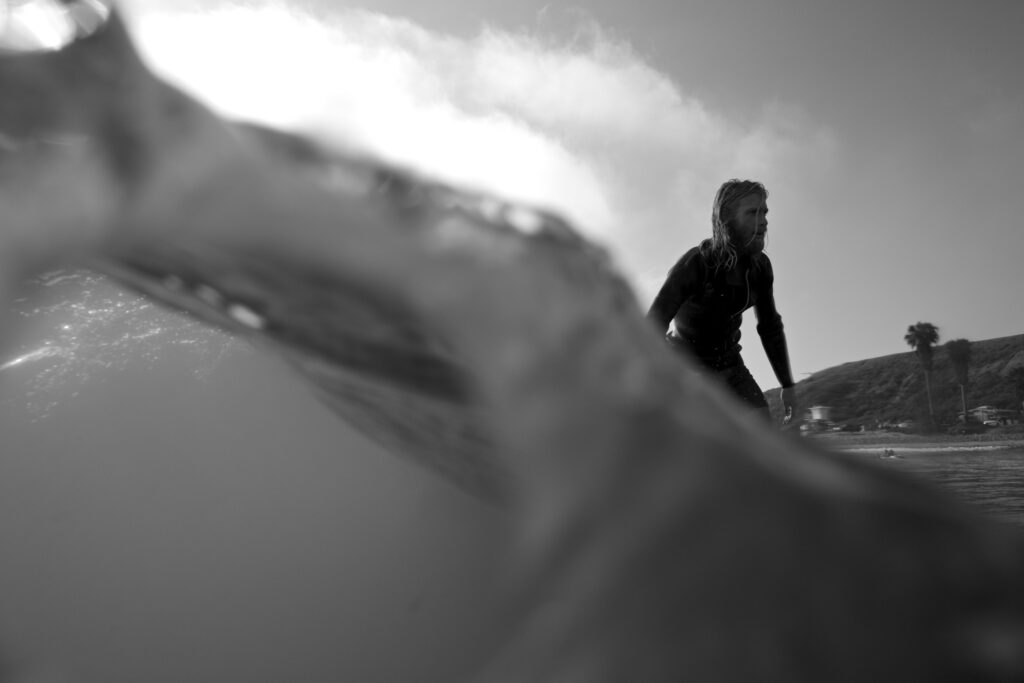
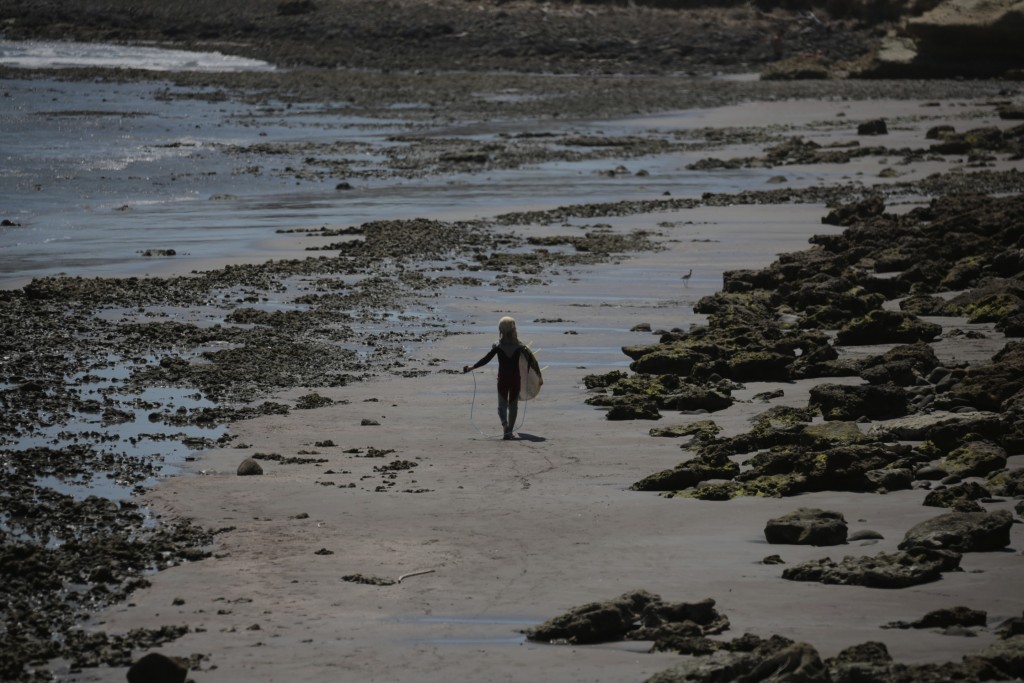
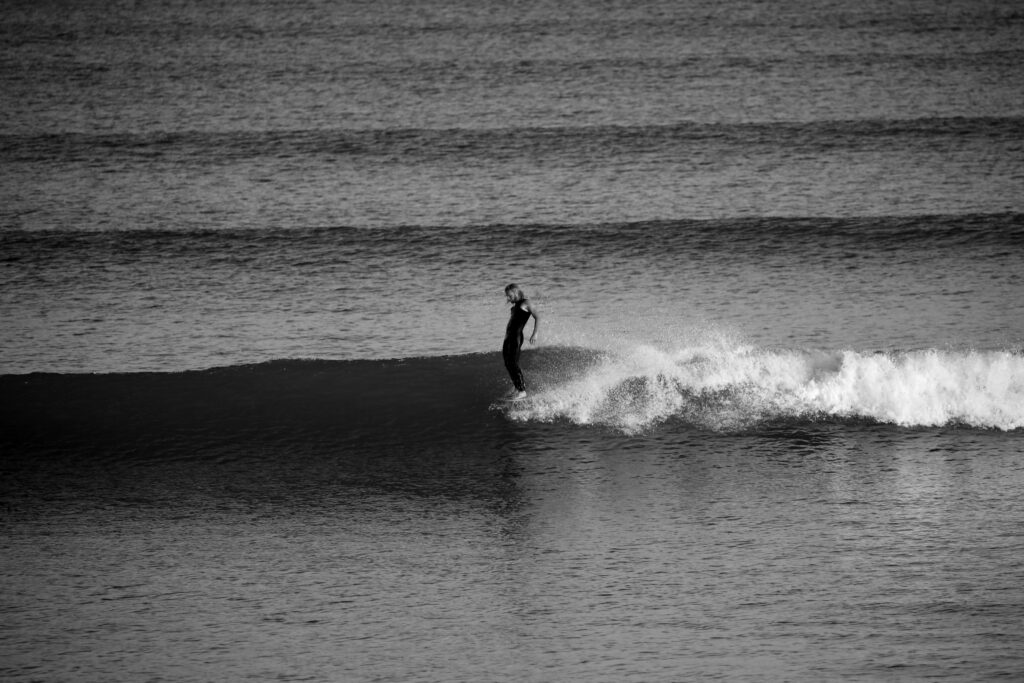
I’m finishing a short film documentary about a very talented and stylish surfer, Bryce Dewees who decided to stay away from sponsors and contests to focus on the fundamentals of surfing. Taking the sport to another level, Bryce expresses himself with incredible grace and emotion when he surfs.
When riding a wave becomes a dance and surfing an art form.
I’m also working on an art and surf online magazine. Inspired by modern thinkers, artist and adventurers, the magazine will be a “destination” for a community of surfers, designers, shapers and photographers.
Who has been the most important person in your life?
Many artists have influenced my life. If I had to cite one name, it would be William Eggleston whose work made me want to tell stories through photography and film. I have also met some incredible people, thinkers and artists who have influenced my life. My friend and mentor Frederic Rebet opened me up to art, pushed me to always have a critical eye, and most importantly believed in me so i got the courage to become an artist myself.
Lately my friend Bryce Dewees has influenced my art deeply. His complex and unique views on the world and his artistic sensibility have been extremely present in my own art.
Most important lesson learned?
Act as a free person and follow your instincts. Don’t be afraid of being judged, don’t let your fears or conventions hold you back. The process of life is what it is about, experiencing, sharing, loving and creating.
I truly believe in living my life in a creative way in harmony with nature. I also believe that as parents we have the responsibility to pass down to our children the importance to live in respect and understanding of nature, share our culture and our experiences.
When do you feel the happiest?
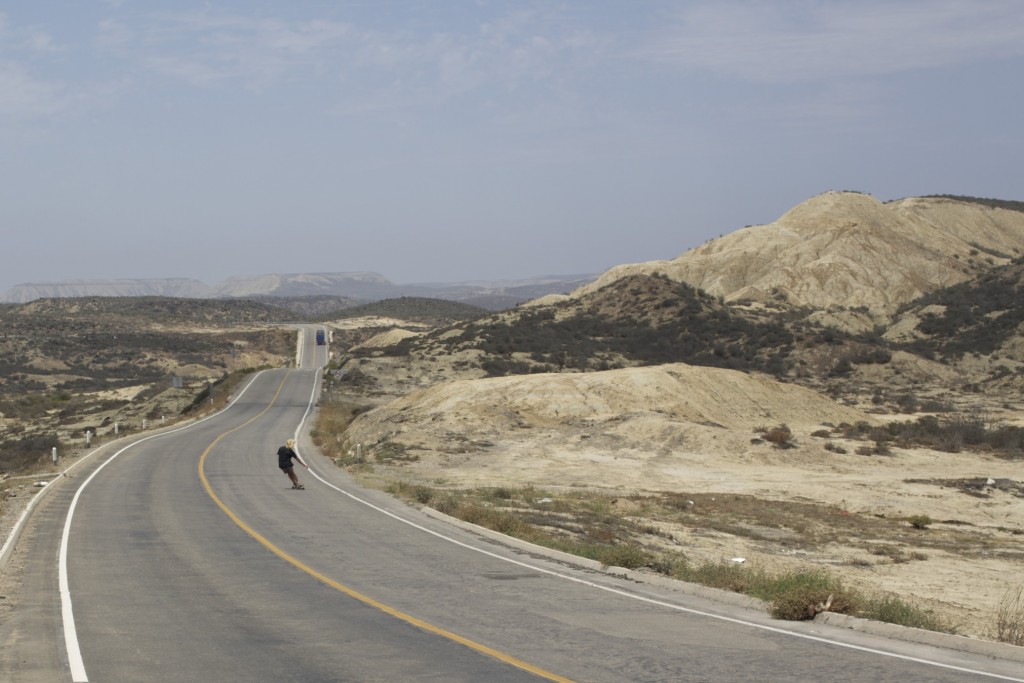
When I’m creating and surfing. One of my best memories, is a trip my friend and I did to Baja California this year. We drove almost 3000 miles looking for places to surf and to shoot pictures. Baja California still has these untouched point break beaches; it offers the perfect décor to my photography and the most amazing waves to surf. During our trip we experienced a deep sense of adventure and creation in true harmony with nature.
When in life have you felt most alone?
Surrounded by people.
But all you need is just another person to either feel extremely lonely, or totally fulfilled.
How has life been different from what you’ve imagined?
My life has truly been full of surprises. When I was a kid, I was a ballerina at the “Opera de Paris” and I expected it to be my life. Even though, at the time it was heartbreaking when I had to give up ballet and my dreams of becoming a prima ballerina, I’m grateful today of the experience, and how full and rich my life has been. But most importantly I’m excited about the future. I feel that I have so much to experience and to accomplish.
Words by Tonje Kristiansen
Photos by Beatrice Faverjon/beatricefaverjon.com instagram@beatricefaverjon
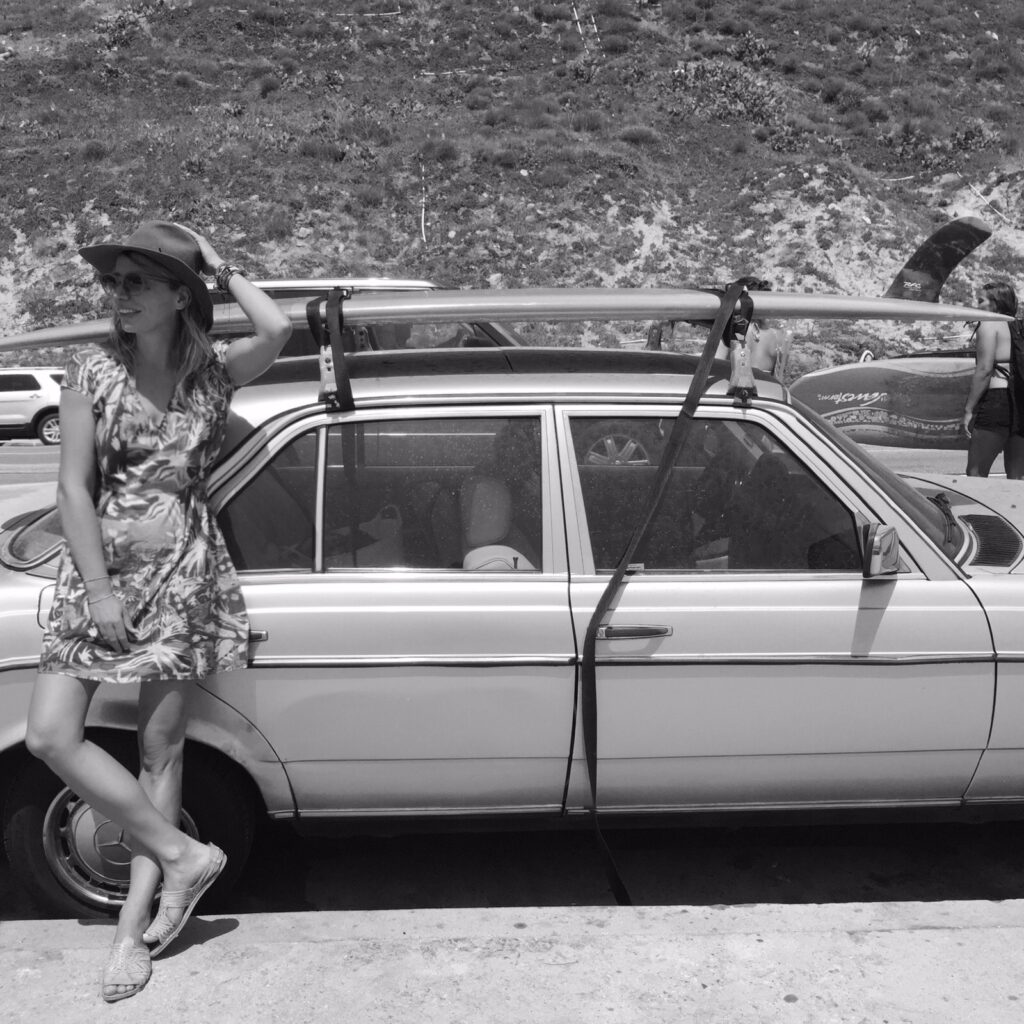
Photo of Beatrice/private
Outtake from poem by Henry David Thoreau
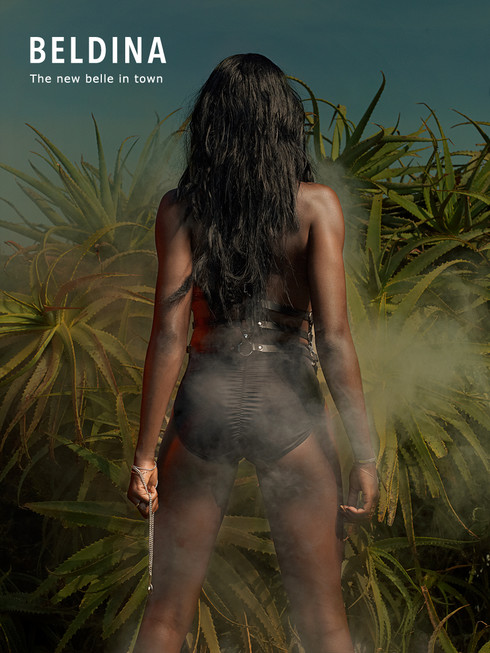
An interview with Beldina
Written by Tonje Kristiansen
“If I were a bell I would be ringing” is a quote from one of young beautiful Kenyan/Swedish soul singer Beldina’s favorite jazz standards, performed by Miles Davis. And she is most certainly ringing these days. Odalisque’s Tonje Kristansen met Beldina at Soho House in West Hollywood. Here is Beldina’s story in her own words.
I don’t look particularly Swedish! They get a bit confused here in LA when they realize that I am actually from Sweden. Then I tell them about my Kenyan background and the confusion is even bigger.
I guess my mindset is pretty Swedish, but obviously my appearance is as far from it as you can see. I look at myself as Swedish. But I still don’t feel that’s where I’m from, but then again I don’t feel at home in Kenya either. I do understand Swahili but I can’t speak it.
Except for my grandmother and my mother, everyone in my family is still in Kenya. My grandmother came to Sweden in the 60s to work in health care. She was a very skilled midwife. Pretty extraordinary at that time for a black woman! She was probably one of the first in Sweden as well.
Then my mother came over from Kenya at 16. She had me when she was very young. My dad is also Kenyan, but I’ve never met him. These two women have done everything for me and proved to me the strength that is a part of every woman.
Maybe this is why I love being a girl. I really enjoy women and becoming one myself. They are the most fascinating creatures in every sense. The power we have, the ability to show our vulnerability and to express it. It’s such an inspiration and the drive behind everything I do artistically.
By studying my grandmother and my mother while growing up, even though they never did anything artistic or creative, I felt that if I wanted to, as a woman, I could do anything. Not that I didn’t have my doubts, insecurities or battles. I had a lot of them being very different from everyone else while growing up. But I never ever wanted to be anything else than a girl, being part of my family of women and to use whatever I had inside of me that came from that.
I believe in the importance of details – which is a big part of being a girl I think. I am very emotionally aware, which is manifested in my song lyrics. Everything is a bit *all or nothing *with me. I am very immediate and personal when I sing. But I hold back a lot on a private level.
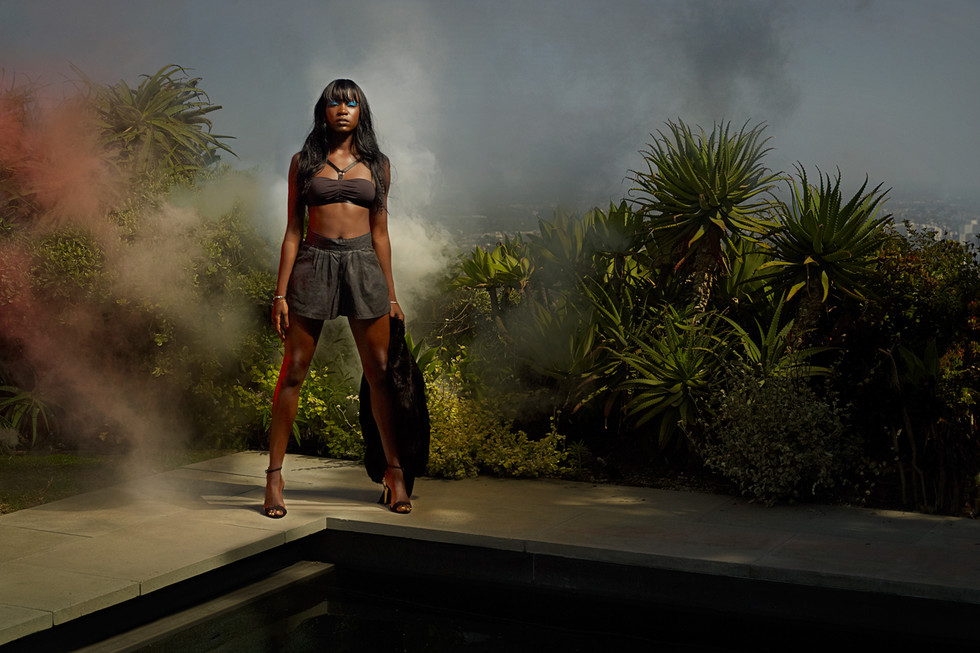
“From background singer to “the new Swedish soul hope”
I always wanted to be part of a group and not be different from anybody when I was younger. I was very quiet and timid, but being a tall, skinny, black teenager in Sweden – that was fairly impossible. I got misinterpreted as someone who wanted attention.
Since I didn’t have anyone with any sort of an artistic career in my family, it took me by surprise when someone wanted me to sing for them. Or not exactly sing for them, but help them out as a background singer. Mostly throughout high school I worked as a background singer and became a support to other artists. I didn’t really think I had any particular talent myself.
I was more familiar with doing stuff for other people’s projects. I always happened to be someone that was around and helped people out. It taught me a lot. But I didn’t really know how to find my own mission as a singer and whether I had what it would take within me. How was I supposed to make a living and figure out the music world on my own?
Also I had mostly worked with men and that was my experience. Men have this companionship and they help each other out a lot. That’s why I was surprised to experience that when I met my two favorite female artists they didn’t really have any guidelines to teach me.
Surprisingly the fellowship I wanted to create with other women in the industry didn’t seem to exist. I desperately wanted some advice to see if I could pull things off on my own. I really wanted and still would love to collaborate and bond with other female music artists. I’ve worked with most male musicians in Sweden, like Timbuktu, Lazee, and Mando Diao. Internationally I have worked with people like Billy Paul and Childish Gambino.
After a while though, I stopped expecting other people to help me on my way – or that I would connect with some other singer and have some sort of epiphany. Also having been rejected by all the big record labels in Sweden I decided to do things my way and just put my music online.
I started to put music out and played gigs here and there. Luckily people seemed to like my voice and my music. It kind of spoke for itself the way I had hoped for. Apparently I didn’t need the big machinery around me to get started. I made a video which ended up going viral and was liked and blogged about by Perez Hilton and a lot of unexpected people internationally.
Then Sweden started showing interest as well. All of a sudden I was “The new soul hope” in Sweden. It was a really nice feeling, doing everything myself and then getting recognition for it – very liberating. Then Universal in LA contacted me and I had a showcase with them.
I love the level of creativity here in Los Angeles. And half the battle is just being here. Hopefully I will be lucky enough to meet some great musicians while working in the studios here. The chance of that is at least bigger when living here than sitting somewhere remote in Sweden.
It actually helps having a Swedish background mixed with a Kenyan one. I have different references of course that can sometimes lead to confusion with the Americans. But overall they find it exotic that I have this mixed up different background and that I can use my references in a creative way that is new to them.
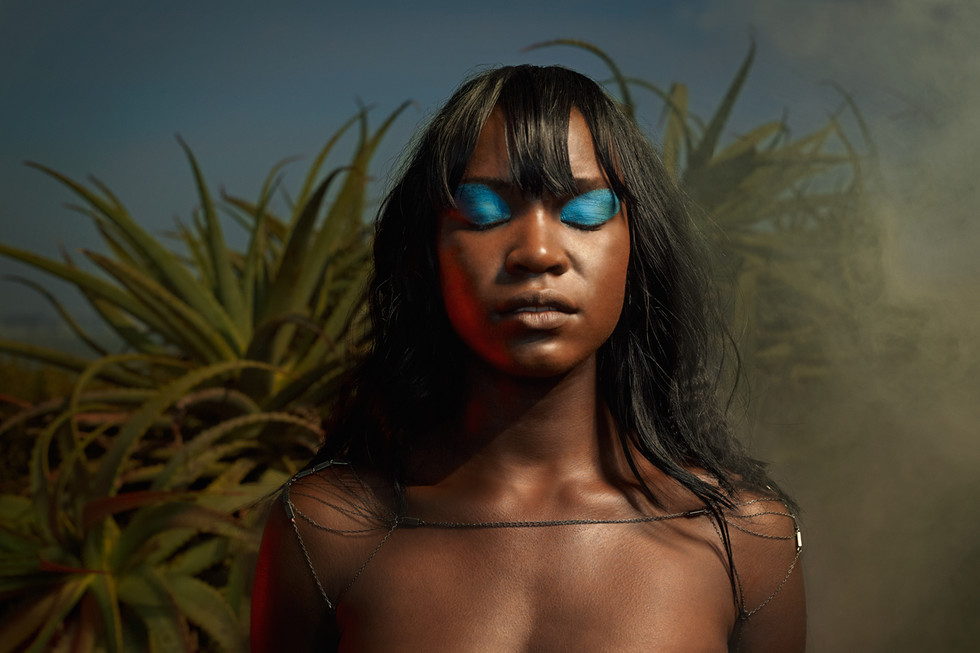
“What can I say?” I am trying to create something personal
I write my own music with producers of my choice. I obviously write about emotions and themes that preoccupy us all. But I’ve had a tendency to always write about other people’s emotions and not my own. I’m entering a new territory now, trying to use my own experiences, being much more personal, honest and open than I’ve ever been.
My recent release “What can I say?” is really about how I have been very closed off without knowing it. How I’ve hurt people with no intention of doing it, and how difficult it can be to get close to me. I’m an “All or nothing” kind of person, but sometimes that comes across completely wrong. People that I want close to me feel rejected instead. I would like to change that about myself.
I can see the changes in myself when I look at both my writing and my style from “Would you” up until now with “What can I say”. I some ways can’t even remember who I was back then when I made “Would you?” and filmed the video, or what I was thinking. I mean you go into phases. Maybe I will look back on “What can I say?” in five years and think: “what the hell was I thinking!?”
Every change I go through on a personal level reveals itself somehow in my work. I think that is pretty normal. So naturally I get different ideas for my videos, my image, style, songs, themes whatever it is, creatively. Four years ago I was very happy with the “Would you?” video and now I am very happy with the “What can I say?” video. I feel it’s an achievement for me to be able to say that.
I can still stand behind what I did three or four years ago even though I might be on a different path creatively nowadays. But then people always have an opinion. Before, they commented on me being too simple and not making anything out of myself, that my videos were without style or artistic punch. Now they say I am trying to be too sexy and take focus away from my music.
That simplicity was my trademark and I’m messing with it. I decided long time ago just to trust myself and do what I feel like. I can’t win everybody over anyway. They expect you to stay the same, be familiar. At the same time they want you to change and do something new, show a different side.
I’m just sticking to my guts, trying to create something personal. It’s a thin line between being private and personal. Private is not interesting, but personal is, otherwise you’ll just be the same as anyone else. I hope I can get respected for what I do, but I don’t expect everybody to like me or my personality.
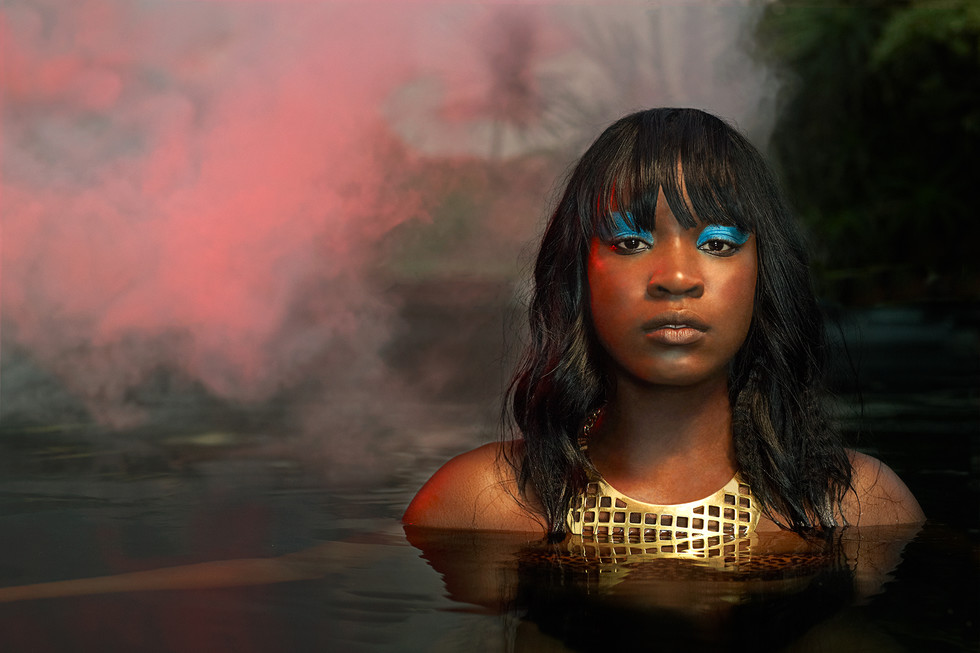
LA – the right place for me to be right now
I want to be in a position where my music is fully MY body of work. If that means I have to struggle, that’s what I’ll do. It’s all about putting the music out there when it’s ready. I have enough material to release an album tomorrow if I wanted to, I’m just missing the icing on the cake.
I am writing and performing. I work on a lot of new things. This summer I will perform a little, work and stay in LA. I want to evolve as an artist and as a female singer in today’s music industry and I need to find my true identity as a performer. I love the relentless drive and ambition in this city. I think this is the right place for me to be right now. I feel very relaxed and motivated.
It’s all about music for me, and here nobody is questioning that. I can be who I am and I can be on the inside and on the outside at the same time. I can be seen but also be someone that can disappear when I feel like it. This is the way I wanted to feel while growing up in Sweden. I am feeling that now.
- 1
- 2